
Transmission-Level Power Brings Metro into a New Era of Reliability
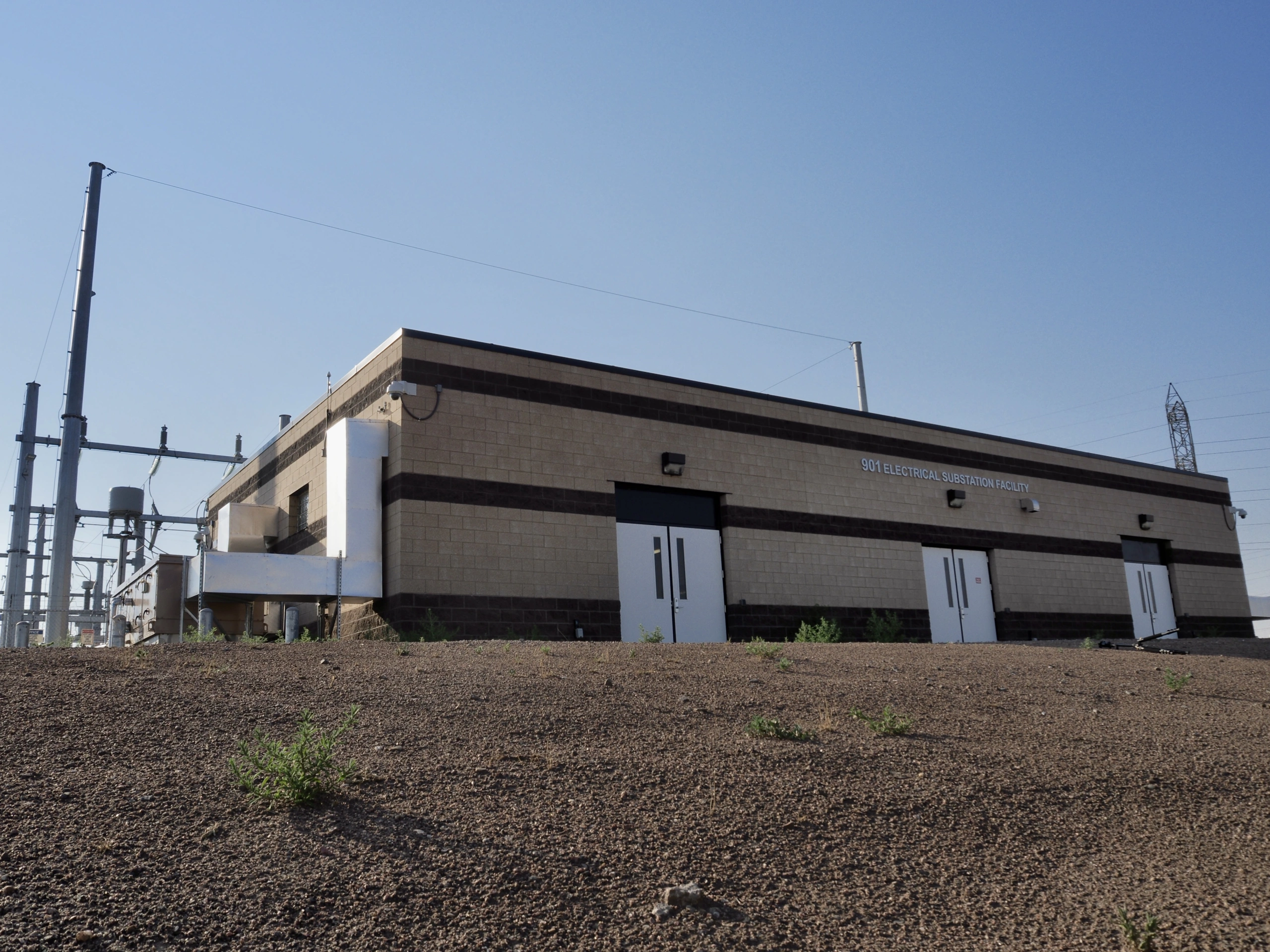
Metro’s new electrical transmission service substation is now fully online. Located on the north side of the Robert W. Hite Treatment Facility (RWHTF), the groundbreaking project connects Metro to transmission-level power. The project brings Metro’s RWHTF into a new era of reliability for decades to come.
Previously, Metro’s power was pulled from distribution-level, which is similar to most homes and businesses. However, distribution-level power unfortunately led to frequent and unexpected outages. Moving to transmission-level power will increase reliability and will limit service interruptions that can disrupt our operations.
“We currently experience about 15 outages a year on the distribution system. On the new transmission system, we only expect an outage once every five years or so,” Ben Ruder, Principal Engineer and Metro Project Manager, explained.
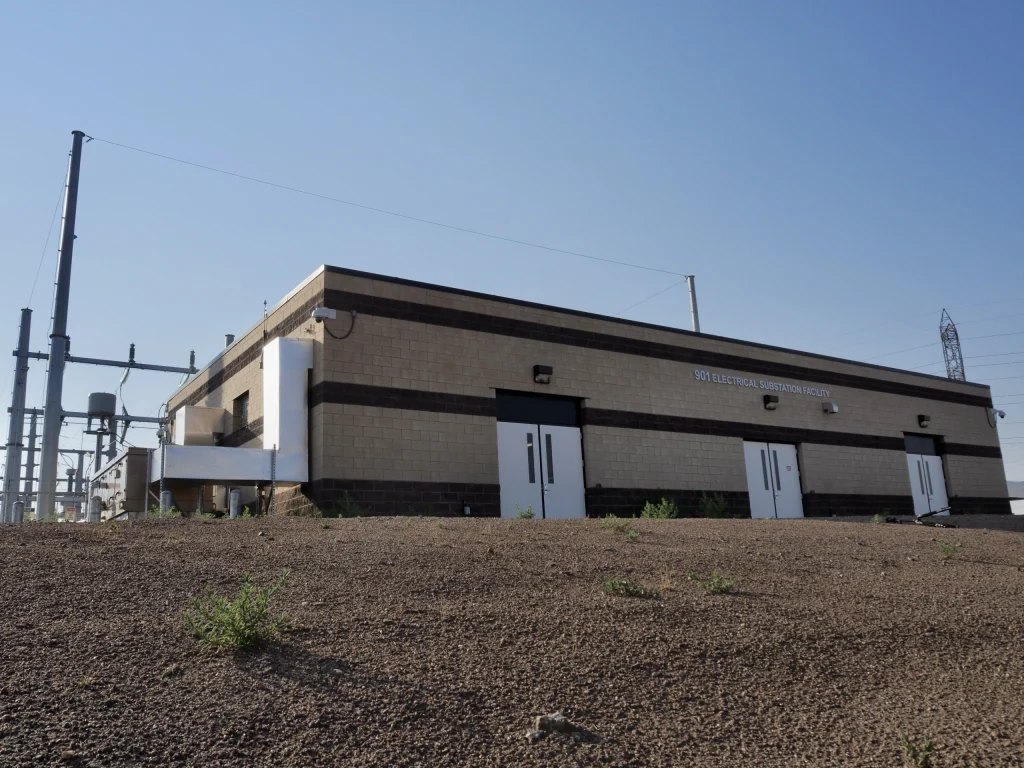
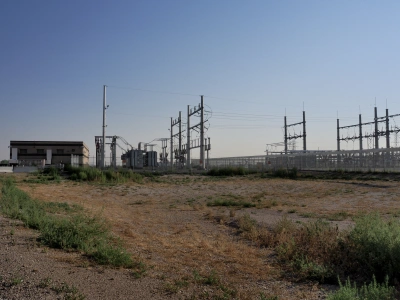
In addition to providing a more robust and reliable power source, the project will meet Metro’s current and projected power needs through 2055. The project will also lead to significant cost savings. In fact, the substation will reduce Metro’s energy costs by roughly $1 million per year.
Such a large and complex project wouldn’t have been possible without the coordination of multiple Metro departments, especially Operations (Ops) and Maintenance. Earlier this year, the project team led a series of MOPs (Method of Procedure), which are coordinated shutdowns to test and transition the power while the plant is running. The team worked closely with Ops, Maintenance, and the project contractor to successfully execute these shutdowns during the 24-7 operations at RWHTF.
The project also includes a unique feature: a new utility bridge over the South Platte River to both provide a safe path for pedestrians as well as a means to cover utility piping and connections necessary for the project. “The way we set the bridge was a huge accomplishment,” Ruder shared. The bridge was assembled in two sections. At night when the South Platte River Trail was closed, the contractor used two cranes—one on each side of the river—to hoist the bridge into place. Once the project contractor puts final safety measures in place, Metro hopes to open the bridge later this year.